


Red Meat Market Trends Driving Sustainable Production and Retail Evolution
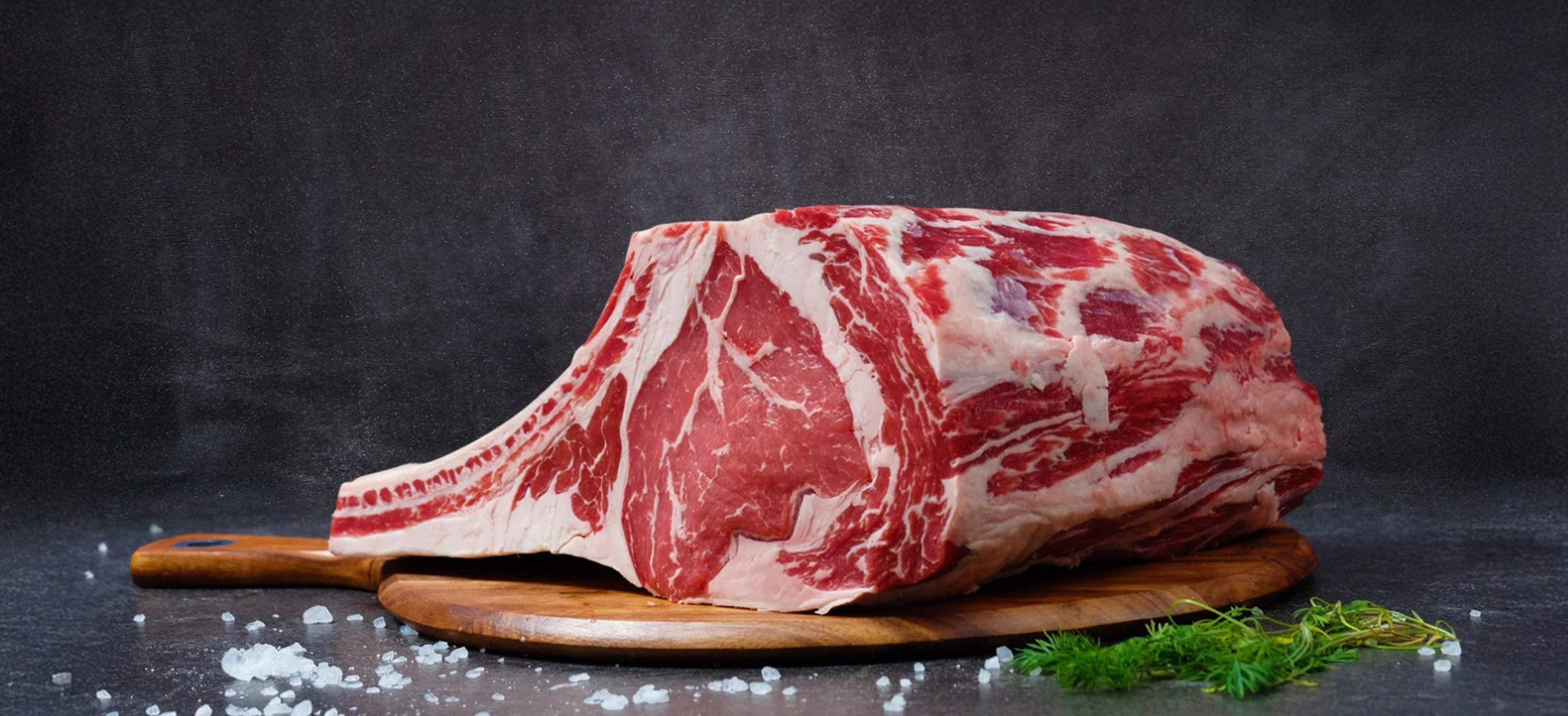
The red meat market is undergoing gradual transformation as producers, retailers, foodservice businesses, and consumers respond to changing expectations. Red meat has a long-established role in global food culture, with products such as beef, pork, lamb, goat, and veal appearing across diverse cuisines. While traditional consumption remains important, modern buyers are increasingly interested in convenience, product information, responsible sourcing, freshness, and packaging. These considerations are encouraging businesses to rethink parts of the production and retail process.
Sustainability and responsible sourcing have become increasingly visible themes within the red meat industry. Companies can explore sustainability through farming practices, transportation, processing efficiency, waste management, packaging, and supply-chain transparency. These efforts are not limited to production facilities because the complete journey from farm to consumer can influence the environmental and commercial characteristics of a product. As a result, sustainability is becoming connected with innovation, operational efficiency, and consumer communication.
Sustainable Production Practices
Sustainable production can involve multiple stages of the red meat supply chain. Producers may focus on responsible resource use, efficient farming systems, improved animal management, and reduced operational waste.
Processing facilities can also examine energy use, water management, waste reduction, and production efficiency. Improvements in these areas can support more efficient operations while responding to growing interest in responsible food production.
Sustainability does not represent a single approach. Different businesses may use different methods depending on their production systems, geographic conditions, product categories, and supply-chain structures.
Responsible Sourcing
Sourcing transparency is becoming an important part of consumer communication. Shoppers may want greater information about the origin and handling of meat products.
Traceability systems can support this need by helping businesses maintain information across different stages of the supply chain. Better traceability can also assist companies with quality management and operational oversight.
For brands, transparent sourcing can become part of their identity. Clear communication about sourcing practices can help consumers understand how products move from producers to retailers.
Packaging Innovation
Packaging has an important role in protecting meat products while supporting transportation, storage, and retail presentation. Modern packaging development can focus on usability, product visibility, handling convenience, and material efficiency.
Consumers may appreciate packaging that is easy to open, store, and dispose of responsibly. Retailers can also benefit from packaging formats that improve shelf organization and product presentation.
Innovative packaging can therefore connect sustainability with convenience. Businesses can explore solutions that protect product quality while considering material usage and consumer expectations.
Retail Transformation
Retail is another area experiencing significant change. Traditional supermarkets and meat counters remain important, but consumers are also using online platforms to discover and purchase food products.
Digital channels allow businesses to provide detailed product descriptions and purchasing guidance. Customers may be able to explore product varieties, preparation suggestions, and delivery options before making a decision.
Online retail also provides opportunities for specialized meat businesses to reach targeted audiences. Producers offering distinctive products can use digital platforms to communicate directly with consumers.
The Role of Foodservice
Restaurants and foodservice businesses have specific requirements when sourcing red meat. They may prioritize consistency, product quality, preparation characteristics, reliable delivery, and suitable product formats.
Foodservice operators can also influence consumer trends by introducing new dishes and preparation styles. When customers encounter innovative meat dishes in restaurants, those experiences can influence their expectations for home cooking.
This creates a connection between foodservice innovation and retail demand. Producers that understand culinary trends can develop products suitable for professional kitchens as well as household consumers.
Technology and Supply Chains
Technology can support greater efficiency throughout the red meat supply chain. Digital inventory systems, traceability tools, logistics technology, and automated processing solutions can help businesses manage increasingly complex operations.
Data-driven systems can improve visibility across production and distribution. Better information can support inventory planning, product tracking, quality management, and delivery coordination.
Technology can also help businesses respond to consumer expectations for transparency. Digital information systems can make it easier to organize and communicate relevant product information.
Changing Consumer Expectations
Consumers are not all motivated by the same factors. Some may prioritize freshness, while others may emphasize convenience or responsible sourcing. Some shoppers may prefer traditional cuts, whereas others may seek prepared or specialty products.
This diversity creates opportunities for market segmentation. Companies can develop different product lines and communication approaches for different consumer needs.
Understanding these preferences can help businesses avoid a one-size-fits-all approach. Product variety and clear communication can make it easier to serve a broader customer base.
Future Opportunities
The future of the red meat market will involve balancing established consumption patterns with modern expectations around sustainability, convenience, transparency, and innovation.
Businesses can explore opportunities by improving supply-chain visibility, developing practical packaging, creating convenient products, and communicating sourcing practices more clearly. Sustainability can become part of broader operational improvement rather than being treated as a separate activity.
Retailers and producers that monitor consumer expectations can continue adapting their offerings. As technology develops and shopping behavior changes, the connection between production, packaging, distribution, and customer experience will become increasingly important.
FAQs
1. How is sustainability influencing the red meat market?
Sustainability is encouraging attention toward responsible sourcing, efficient production, waste reduction, packaging improvements, and supply-chain transparency.
2. Can technology support sustainable red meat production?
Technology can support traceability, inventory management, processing efficiency, logistics coordination, and better visibility across the supply chain.

 English
 Arabic
 French
 Spanish
 Portuguese
 Deutsch
 Turkish
 Dutch
 Italiano
 Russian
 Portuguese (Brazil)
 Greek