


How a Portable Laser Cleaning Machine Is Changing Modern Surface Cleaning
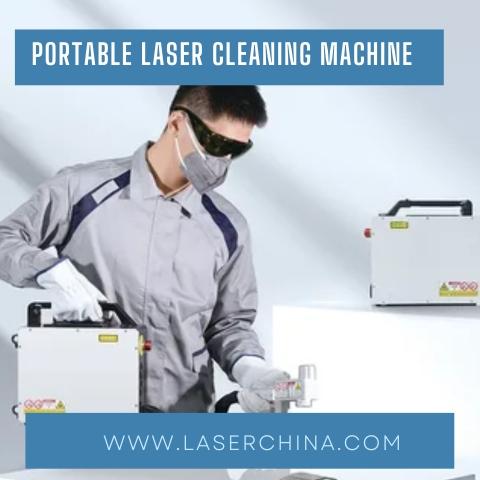
Surface cleaning is an important part of manufacturing, maintenance, restoration, and fabrication. Traditional cleaning methods can require chemicals, abrasive materials, or considerable manual effort. As industries look for more controlled and efficient processes, laser technology has become an increasingly practical option. A portable laser cleaning machine offers a flexible approach to removing unwanted layers from metal and other suitable surfaces while allowing operators to work directly at different locations.
Understanding Portable Laser Cleaning Technology
A portable laser cleaning machine uses concentrated laser energy to interact with contaminants on a surface. Depending on the application, the laser can remove rust, paint, oxide layers, oil, grease, coatings, and other unwanted residues. The process is based on controlled laser pulses or continuous laser energy that separates contaminants from the underlying material.
Unlike conventional cleaning processes that depend on physical contact, laser cleaning can be performed without using abrasive blasting media. This makes the technology particularly interesting for manufacturers, workshops, maintenance teams, and restoration professionals looking for a more controlled cleaning process.
The portable design also makes the equipment suitable for applications where large or fixed cleaning systems may not be practical.
Where Portable Laser Cleaning Machines Are Used
Industrial environments contain many surfaces that require regular cleaning before, during, or after production. A portable laser cleaning machine can be used for different preparation and maintenance tasks depending on the laser configuration and material involved.
Metal fabrication is one common application. Before welding, painting, coating, or finishing, manufacturers may need to remove rust, oxidation, oil, or other residues from metal surfaces. Controlled laser cleaning can help prepare the surface for the next production stage.
Automotive workshops can also use laser cleaning equipment for components, molds, tools, and selected restoration work. Similarly, machinery manufacturers may use portable systems to clean parts during maintenance and refurbishment.
Another area is industrial maintenance. Large equipment can sometimes be difficult to transport to a dedicated cleaning area. A portable system allows the cleaning equipment to be brought to the component instead.
Rust Removal With Laser Technology
Rust is a common problem in industrial environments, particularly where steel components are exposed to moisture and oxygen. If corrosion is not addressed, it can affect the condition and appearance of metal surfaces.
A portable laser cleaning machine can be configured for rust removal applications by directing controlled laser energy toward the contaminated area. The operator can move the laser cleaning head across the surface and adjust the process according to the material, contamination, and required finish.
This approach is particularly useful for workshops that regularly restore metal components, machinery parts, tools, and fabricated structures.
Paint and Coating Removal
Removing old paint and coatings is another important industrial task. Conventional methods may involve sanding, grinding, blasting, or chemical stripping. Each application requires careful selection of the appropriate process.
Laser cleaning provides another method for controlled coating removal. The laser parameters can be adjusted according to the coating and substrate. This allows operators to work on selected areas rather than removing material indiscriminately.
For maintenance and refurbishment projects, this controlled approach can be useful when the underlying surface needs to remain intact for further processing.
Surface Preparation Before Welding
Clean surfaces are important for many welding operations. Contaminants such as rust, oxidation, oil, and paint can interfere with preparation and affect the working process.
A portable laser cleaning machine can be used before welding to remove unwanted contamination from selected areas. Because the equipment can be moved around the workshop or production floor, operators can use it where preparation is required without necessarily moving large components to another cleaning station.
This makes portable laser systems relevant to fabrication shops, welding workshops, and manufacturers working with different metal components.
Cleaning Industrial Machinery
Industrial machinery accumulates dirt, grease, coatings, oxidation, and other residues during regular operation. Cleaning these components is an important part of maintenance and refurbishment.
Portable laser equipment can provide a practical way to approach individual areas of machinery. Instead of transporting an entire machine to a cleaning facility, operators can bring the cleaning system directly to the equipment.
For maintenance teams, this flexibility can be particularly useful when working with large structures, production equipment, molds, mechanical parts, and other difficult-to-move components.
Suitable Materials and Applications
Laser cleaning is commonly associated with metals such as steel, stainless steel, aluminum, copper, and other industrial materials. However, the appropriate laser settings depend on the specific material and contamination.
Different surfaces absorb and respond to laser energy differently. For this reason, operators should select suitable parameters and test the process on an appropriate sample area before beginning extensive cleaning work.
The same principle applies to different contaminants. Rust, paint, oil, oxide layers, and other residues may require different laser settings to achieve the desired result.
Choosing the Right Portable Laser Cleaning Machine
Selecting equipment should begin with the intended application. Buyers should consider the type of material they regularly clean, the contaminants they need to remove, the size of their workpieces, and the working environment.
Laser power is another important consideration. Different applications may require different power levels and operating configurations. A workshop primarily cleaning light surface contamination may have different requirements from an industrial facility handling heavy rust or thick coatings.
The laser source, cleaning head, scanning system, operating controls, cooling arrangement, and available accessories should also be considered when evaluating equipment.
For businesses planning regular production use, after-sales support, technical assistance, spare parts availability, and operator training are also important parts of the purchasing process.
Working With Portable Laser Equipment
Although laser cleaning is a highly controlled process, proper operation is essential. Operators should understand the equipment settings, material response, cleaning distance, scanning movement, and appropriate working procedures.
Laser safety should always be treated as a priority. Operators should follow the manufacturer's safety instructions and applicable workplace requirements. Suitable protective equipment and controlled operating areas may be required depending on the laser system and working environment.
Training can also help operators achieve more consistent cleaning results and reduce the possibility of incorrect settings.
Portable Cleaning for Workshops and Production Floors
One of the practical aspects of portable laser equipment is its ability to move between work areas. Workshops often handle components of different sizes, while industrial facilities may have machinery distributed across large production spaces.
Instead of designing every cleaning task around a fixed workstation, a portable laser cleaning machine can be taken directly to the component. This makes it suitable for maintenance departments, fabrication workshops, repair facilities, and industrial service providers.
The equipment can also be considered for businesses that provide cleaning and surface preparation services at customer locations.
Developing Laser Cleaning Applications
As laser technology continues to develop, cleaning systems are becoming available for an expanding range of industrial applications. Manufacturers are focusing on equipment configurations that can accommodate different cleaning requirements and working environments.
Businesses considering this technology should evaluate their actual cleaning processes and identify tasks where controlled laser treatment could fit into their workflow. Testing specific materials and contaminants before purchasing equipment can help determine the appropriate configuration.
A well-planned implementation can also make it easier for operators to establish consistent cleaning procedures across different projects.
Final Thoughts
A portable laser cleaning machine provides a modern approach to surface preparation, rust removal, coating removal, and industrial maintenance. Its portable design allows cleaning operations to be performed closer to the workpiece, making it suitable for workshops, factories, repair facilities, and on-site industrial applications.

 English
 Arabic
 French
 Portuguese
 Deutsch
 Turkish
 Dutch
Dutch
 Italiano
 Russian
 Romaian
 Portuguese (Brazil)
 Greek
Greek