


How Waterproofing Specialists Prevent Recurring Leaks
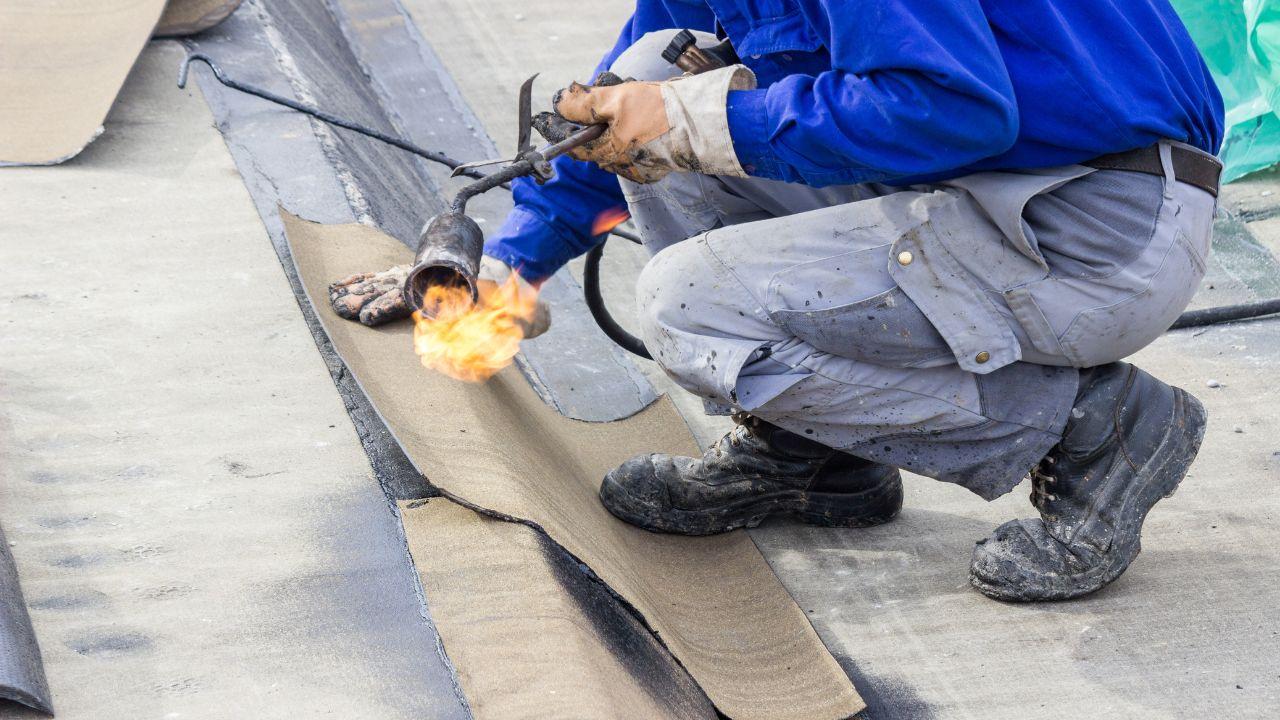
A waterproofing specialist does more than seal visible leaks. The real goal is to identify why water keeps entering, address the underlying problem, and use suitable materials and application methods. Proper diagnosis, surface preparation, drainage control, and regular maintenance can help prevent the same waterproofing issue from returning.
Why Do Waterproofing Leaks Keep Coming Back?
Recurring leaks are usually a sign that the original problem was not fully addressed. Simply covering a damp patch or filling a visible crack may stop water temporarily, but moisture can find another path through the structure.
Common reasons for recurring leaks include:
-
Unidentified water entry points
-
Cracks in concrete or masonry
-
Failed waterproofing membranes
-
Poor drainage around the structure
-
Damaged sealants around joints
-
Improper surface preparation
-
Blocked or inadequate drainage systems
-
Water pressure behind walls or floors
-
Movement or settlement of the building
-
Aging waterproofing materials
Water can travel through surprisingly small gaps. A stain on an interior wall, for example, may not indicate the exact location where water entered. The source could be several feet away or even on another part of the structure.
This is why long-term waterproofing requires investigation rather than simply treating the visible symptom.
How Professionals Identify the Root Cause
Before starting repairs, an experienced waterproofing specialist examines the affected area and surrounding structure. The objective is to understand where the water comes from, how it travels, and why the existing protection has failed.
Inspecting the Affected Area
The inspection typically begins with visible signs of moisture, such as:
-
Water stains
-
Peeling paint
-
Damp walls
-
Efflorescence
-
Mold or mildew growth
-
Cracked concrete
-
Deteriorated plaster
-
Ponding water
These signs help establish where the problem is occurring, but they are only part of the investigation.
Checking Nearby Areas
Water may enter through a roof, balcony, bathroom, expansion joint, wall, or concrete slab before moving internally. Professionals therefore inspect nearby areas instead of focusing exclusively on the visible damage.
For example, a ceiling leak may actually originate from a waterproofing failure on the floor above. Similarly, basement dampness may be connected to external drainage or groundwater pressure.
Understanding Building Conditions
The age and construction of the building can also provide important clues. Concrete structures, tiled areas, balconies, roofs, retaining walls, and underground spaces can all experience different waterproofing challenges.
A successful repair begins with identifying the actual source of moisture rather than guessing.
Proper Surface Preparation Prevents Future Problems
One of the most important parts of waterproofing work happens before the waterproofing material is applied.
If a surface is dirty, loose, dusty, contaminated, or structurally damaged, even a high-quality waterproofing product may not bond properly.
Cleaning the Surface
Dust, dirt, oil, loose particles, old coatings, and other contaminants may interfere with adhesion. Depending on the situation, professionals may use mechanical cleaning, brushing, pressure washing, or other suitable preparation techniques.
Removing Weak Materials
Loose concrete, deteriorated plaster, failed sealants, and damaged coatings may need to be removed. Applying a new waterproofing layer over unstable material can lead to premature failure.
Repairing Cracks and Defects
Cracks, holes, joints, and surface irregularities should be addressed according to their cause and severity.
Small non-structural cracks may require appropriate repair materials, while larger or active cracks may require a more specialized approach.
Waterproofing should not be treated as a cosmetic coating. The condition of the substrate directly affects the durability of the finished system.
Choosing the Right Waterproofing System
There is no single waterproofing product that works perfectly for every building or situation. The appropriate system depends on the location, substrate, exposure conditions, water pressure, movement, and intended use of the area.
A professional company such as Allseal Waterproofing PTE Ltd can assess these conditions and select an approach appropriate to the specific waterproofing problem.
Membrane Waterproofing
Membranes create a continuous protective barrier against water. They can be used in various applications, including roofs, balconies, wet areas, and other exposed surfaces.
The installation method and membrane type should be selected according to the surface and environmental conditions.
Liquid-Applied Waterproofing
Liquid-applied systems can form a seamless waterproof layer when correctly applied. They can be particularly useful around complicated shapes, corners, and areas where continuous coverage is important.
However, correct thickness, curing, and surface preparation are essential.
Cementitious Waterproofing
Cement-based waterproofing systems can be suitable for certain concrete and masonry applications. They are commonly considered for areas such as bathrooms, tanks, basements, and other mineral-based surfaces, depending on the project requirements.
Joint and Crack Treatment
Joints and cracks deserve special attention because they can become pathways for water. Suitable sealants, repair materials, joint treatments, or other systems may be required depending on whether the joint is static or subject to movement.
Managing Water Pressure
Waterproofing is not always about stopping water at the surface. In underground structures, for example, water may exert pressure against walls and floors.
If hydrostatic pressure is not properly considered, water can continue finding weak points despite surface repairs.
Improving Drainage
Good drainage can reduce the amount of water reaching vulnerable areas. Professionals may assess:
-
Surface drainage
-
Floor drains
-
Gutters
-
Downpipes
-
External grading
-
Drainage channels
-
Subsoil drainage
Keeping water away from vulnerable surfaces is often just as important as creating a waterproof barrier.
Preventing Water Ponding
Standing water can place additional stress on waterproofing systems. Poor slopes or blocked drains may allow water to remain on roofs, balconies, or other exposed areas.
Correcting drainage problems can therefore play an important role in preventing recurring leaks.
Paying Attention to Corners, Edges, and Penetrations
Waterproofing systems often fail at transition points rather than on large, uninterrupted surfaces.
Common vulnerable locations include:
-
Wall-to-floor junctions
-
Internal corners
-
External corners
-
Pipe penetrations
-
Drain outlets
-
Construction joints
-
Expansion joints
-
Door thresholds
-
Roof penetrations
These areas require careful detailing.
Sealing Pipe Penetrations
Pipes passing through waterproofed surfaces create potential pathways for moisture. The surrounding area needs to be properly detailed so that the waterproofing system remains continuous.
Treating Wall-to-Floor Junctions
Corners can experience movement and concentration of stress. Appropriate reinforcement or detailing can help maintain waterproofing continuity at these transitions.
A waterproofing system is only as reliable as its weakest detail.
Applying Materials Correctly
Using a high-quality product does not automatically guarantee a successful waterproofing project. Application procedures matter.
Professionals need to follow the manufacturer's requirements for factors such as:
-
Mixing ratios
-
Application thickness
-
Drying time
-
Recoating intervals
-
Temperature
-
Surface moisture
-
Curing
-
Protection of finished surfaces
Applying too little material can reduce performance, while applying products under unsuitable conditions may cause adhesion or curing problems.
A waterproofing specialist understands that proper installation is just as important as selecting the right product.
Allowing Adequate Curing and Drying Time
Waterproofing materials need sufficient time to cure or dry before they are exposed to water, traffic, tiles, protective layers, or other finishes.
Rushing this stage can compromise the system.
For example, if a newly applied waterproofing layer is covered before it has properly cured, trapped moisture or insufficient bonding may create problems later.
Following the required curing period is a simple but important step toward long-term performance.
Testing Before Completing the Project
Testing can help identify problems before the repaired area is returned to normal use.
Depending on the application, testing may involve controlled water exposure, inspection of drainage performance, or other appropriate methods.
Bathroom Waterproofing Tests
Wet areas such as bathrooms can require controlled water testing before tiles or final finishes are completed. The objective is to identify potential leakage before the area is put back into regular use.
Roof and Balcony Checks
Roofs and balconies should be inspected for drainage performance, ponding, weak points, cracks, and other potential sources of future water entry.
Testing and inspection provide an opportunity to correct defects while access is still easy.
Using Quality Materials and Compatible Systems
Another way to reduce recurring leaks is to use materials that are appropriate for the existing surface and compatible with one another.
Mixing incompatible products can create adhesion or durability problems.
For instance, an existing coating may need to be removed or properly prepared before a new system is installed. Similarly, primers, membranes, sealants, repair mortars, and protective coatings need to work together as part of an overall system.
The objective is not simply to use the most expensive material; it is to use the appropriate system correctly.
Regular Maintenance Helps Prevent Recurring Leaks
Even a properly installed waterproofing system requires maintenance.
Buildings are exposed to sunlight, rain, temperature changes, movement, foot traffic, construction work, and other stresses. Over time, these conditions can affect waterproofing components.
What Should Be Checked Regularly?
Property owners should periodically inspect:
-
Roof surfaces
-
Balconies
-
Gutters
-
Drain outlets
-
External walls
-
Bathroom areas
-
Expansion joints
-
Sealants
-
Visible cracks
-
Areas around pipe penetrations
Blocked drains should be cleared, while damaged sealants or visible defects should be addressed before they become major problems.
Early Repairs Are Usually Easier
A small crack or damaged sealant joint may be relatively straightforward to address. If ignored, however, water can penetrate deeper and damage surrounding materials.
This can turn a minor maintenance issue into a larger waterproofing project.
Why Professional Waterproofing Matters
DIY solutions may appear attractive when a leak first appears, especially if the affected area looks small. However, recurring water problems can be difficult to diagnose from the surface.
Professional waterproofing involves more than applying a coating. It includes inspection, diagnosis, preparation, material selection, detailed application, testing, and maintenance planning.
Allseal Waterproofing PTE Ltd focuses on addressing waterproofing problems with attention to the source of water intrusion rather than relying only on temporary surface fixes.
A Practical Approach to Preventing Recurring Leaks
A long-term waterproofing process can generally be organized into several stages:
1. Inspect
Identify visible moisture damage and investigate surrounding areas for possible water entry points.
2. Diagnose
Determine whether the problem involves cracks, joints, drainage, failed membranes, water pressure, poor detailing, or another underlying issue.
3. Prepare
Clean and repair the substrate, remove weak materials, and prepare the surface for the selected waterproofing system.
4. Waterproof
Apply the appropriate system according to project requirements and manufacturer specifications.
5. Detail
Give special attention to corners, joints, drains, pipe penetrations, and other vulnerable locations.
6. Test
Check the completed system where appropriate before final finishes or normal use.
7. Maintain
Inspect the waterproofed area periodically and address small defects before they develop into recurring leaks.
This structured approach helps reduce the chance of treating the same problem repeatedly.
Conclusion
Preventing recurring leaks requires more than covering visible water damage. A waterproofing specialist identifies the source, prepares the surface, selects the right system, treats vulnerable details, tests the work, and recommends maintenance. With proper planning and professional installation, waterproofing can provide more dependable long-term protection.

 English
 Arabic
 French
 Spanish
 Portuguese
 Deutsch
 Turkish
 Italiano
 Russian
 Romaian
 Portuguese (Brazil)
 Greek
Greek