


Custom Gasket and Metal Shim Manufacturing for Better Performance
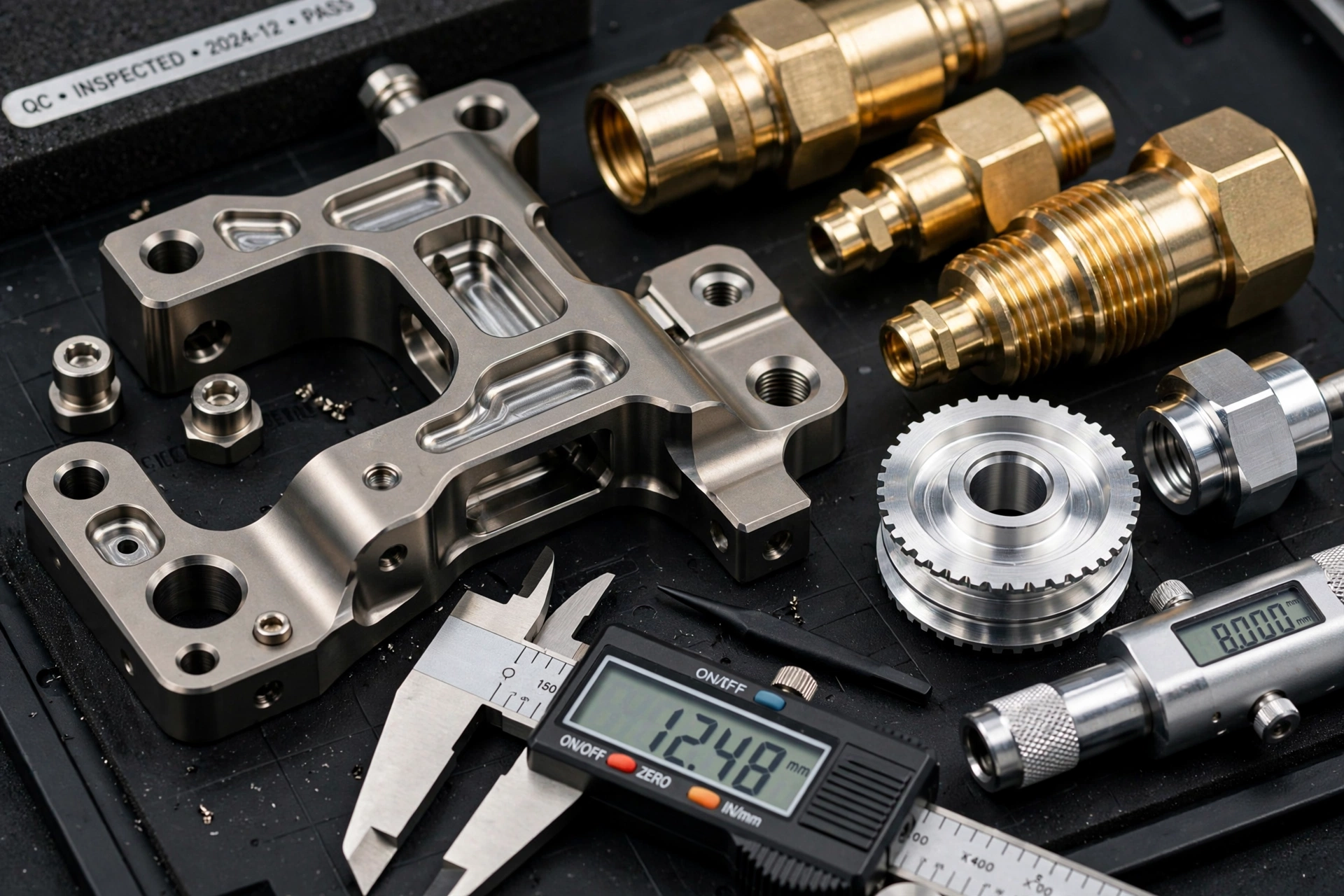
Two gaskets can look nearly identical and still perform completely differently once installed, because the material, thickness, and compression rating behind each one were chosen for a specific application. That is the real value proposition behind custom gasket and metal shim manufacturing: parts engineered for the exact conditions they will face, rather than selected from a generic size chart.
For procurement teams juggling multiple industries and equipment types, knowing which supplier capabilities actually matter for their sector makes the sourcing decision a lot less of a guessing game.
Industry-Specific Demands on Gaskets and Shims
An oil and gas flange gasket needs to withstand sour service and high differential pressure, while a shim used inside a food-processing machine has to meet hygiene standards and resist frequent washdowns. A marine application demands corrosion resistance in a constantly humid, salt-laden environment, and a precision instrument might need a shim held to a thickness tolerance measured in microns.
Treating these as interchangeable problems, and sourcing every gasket from the same generic catalogue, is how mismatched parts end up causing leaks or premature wear months after installation. A gasket that performs perfectly on a low-pressure water line can fail within weeks on a high-temperature steam line, even though both openings look identical from the outside.
Vibration is another variable that is easy to overlook. Equipment mounted near rotating machinery can loosen a poorly matched shim stack over time, even when the original fit was accurate, which is why some applications call for a locking or self-adjusting design rather than a plain flat shim.
Chemical compatibility rounds out the list of variables worth checking before an order is placed. A gasket material that resists one class of hydrocarbons may degrade quickly when exposed to a different solvent or cleaning agent, so sharing a full picture of what the part will actually contact, not just the primary process fluid, helps a manufacturer recommend a material that lasts.
What Custom Industrial Manufacturing Services Should Cover
A supplier offering genuine custom industrial manufacturing services should be able to move fluidly between materials and processes depending on the job, not push every client toward whatever is easiest to produce in bulk. That typically means in-house capability across rubber, PTFE, graphite, and compressed fiber gasket materials, alongside metal shim production in stainless steel, brass, and spring steel.
It also means the flexibility to handle both a one-off prototype for a new piece of equipment and a recurring production order for a maintenance contract, without treating either as a lesser priority. Teams that rely on custom industrial manufacturing service for scheduled maintenance benefit most when the supplier keeps prior specifications on file, so a reorder does not require re-measuring a worn part from scratch.
Applications Across Key Sectors
Custom gasket & metal shim manufacturing touches a wide range of industrial settings, including:
-
Oil, gas, and petrochemical processing, where flange and valve sealing is safety-critical
-
Power generation and water treatment plants, where gaskets face constant thermal cycling
-
Marine and offshore platforms, where corrosion resistance is non-negotiable
-
Heavy machinery and equipment overhaul, where shims restore precise clearances after wear
-
Instrumentation and precision equipment, where micron-level shim tolerances matter
A supplier familiar with several of these sectors tends to ask sharper questions during quoting, because they already know which failure modes matter most in each context, and that experience often surfaces a problem the client had not even flagged yet.
Choosing a Supplier Built for Your Sector
The most useful question to ask a potential supplier is not simply whether they can produce a given shape, but whether they have experience with your specific application's failure conditions, whether that is chemical exposure, thermal cycling, or vibration. A manufacturer who can speak knowledgeably about why a particular material suits your equipment is generally a safer long-term partner than one quoting purely on price.
It is also worth confirming turnaround time for repeat orders, since gaskets and shims are consumable parts that need replacing on a predictable maintenance cycle, and a supplier who cannot keep pace with that cycle becomes a bottleneck rather than a solution. Asking for references from a similar industry, rather than a generic client list, is usually the fastest way to confirm whether that experience is real.
Conclusion
Getting custom gasket and metal shim manufacturing right starts with recognizing that different industries place genuinely different demands on these small but critical parts, and a supplier's value lies in understanding those differences rather than offering a single generic solution. Custom industrial manufacturing services that combine broad material expertise with sector-specific knowledge tend to prevent the kind of repeat failures that generic sourcing often causes.
If your maintenance team keeps replacing the same gasket more often than expected, it may be worth reviewing whether the current part was ever actually specified for your equipment's real operating conditions.
FAQs
1. Why do gaskets fail more often in some industries than others?
Failure rates usually trace back to a mismatch between the gasket material and the actual operating conditions, such as temperature, chemical exposure, or pressure cycling, rather than a defect in the part itself.
2. Can one supplier handle both gasket and metal shim orders?
Yes, many manufacturers offer both capabilities in-house, which simplifies sourcing for maintenance teams managing multiple part types across the same equipment.
3. How often should industrial gaskets be replaced?
Replacement intervals vary by application and material, but most industrial gaskets are replaced during scheduled maintenance shutdowns rather than run until failure, particularly in critical service.
4. What information helps a supplier recommend the right gasket material?
Details on operating temperature, pressure, the media being sealed, and any relevant chemical exposure allow a supplier to recommend a material suited to the actual service conditions.

 English
 Arabic
 French
 Spanish
 Portuguese
 Deutsch
 Turkish
 Dutch
Dutch
 Italiano
 Russian
 Romaian
 Portuguese (Brazil)