


High Performance Copper Chromium Zirconium Contact Wire for Electrified Rail Systems
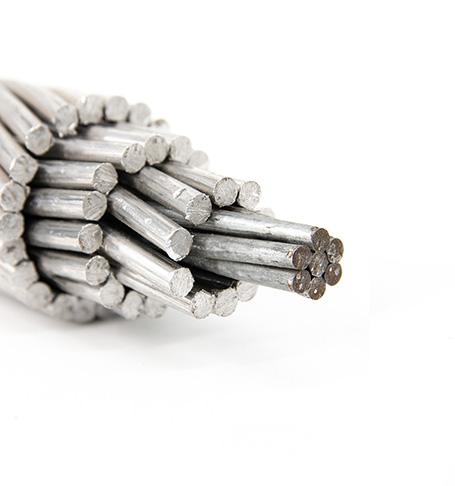
The rapid global expansion of high-speed rail networks, urban mass transit, and heavy-haul freight lines has placed unprecedented demands on electrified railway infrastructure. At the core of every overhead catenary system (OCS) lies a specialized electrical conductor designed to deliver electrical power to moving trains continuously, efficiently, and safely. Among all components within the overhead electrification system, the contact wire serves as the critical interface between the stationary electrical grid and the mobile train collector. Positioned at the lowest point of the overhead assembly, this specialized conductor makes direct sliding contact with the train pantograph carbon strips at speeds ranging from urban transit rates to over three hundred and fifty kilometers per hour.
As train operating speeds increase and current demands grow to support high-capacity locomotives and multiple-unit trainsets, conventional pure copper conductors can no longer satisfy modern operational standards. High-speed train operation requires overhead catenary systems to maintain high mechanical tension to minimize wave propagation and vibration. At the same time, high current draw generates thermal loads that can cause soft-annealing, sagging, and premature wear in standard copper conductors. To solve these technical challenges, advanced metallurgy has developed the copper-chromium-zirconium alloy series. This material class represents a major milestone in high-performance railway conductor engineering, offering a unique combination of tensile strength, high electrical conductivity, thermal stability, and wear resistance.
Understanding Overhead Catenary Systems and Conductor Demands
An overhead catenary system consists of a network of suspended wires designed to supply electrical power to electric traction vehicles. The system generally includes a catenary support wire suspended from mast arms, vertical droppers, steady arms, section insulators, and the contact wire itself. The primary objective of this assembly is to present a perfectly flat, highly conductive, and mechanically stable overhead line along which the pantograph can slide smoothly.
When an electric train travels at high speed, the pantograph exerts upward mechanical pressure against the conductor. This force creates mechanical waves that travel along the line. If the wave velocity of the overhead wire is lower than or close to the vehicle speed, severe mechanical oscillation occurs. This oscillation leads to pantograph detachment, electrical arcing, severe contact surface erosion, and power interruption. To increase the wave propagation speed along the catenary line, engineers must increase the mechanical tension applied to the overhead conductor.
Applying high tension to a standard conductor introduces significant mechanical stress. Pure copper exhibits limited tensile strength and low resistance to mechanical creep under continuous high-tension loads. Under constant tension and repeated thermal expansion cycles, pure copper stretches, sags, and loses its structural integrity. Furthermore, high current transmission creates resistive heat (I²R loss). If the conductor temperature exceeds its thermal softening threshold, the metal loses its cold-drawn strength and permanently deforms.
As a result, modern electrified rail lines require advanced contact wire designs capable of maintaining high mechanical tension, enduring high operational temperatures, and providing low electrical resistance. The copper-chromium-zirconium alloy series meets these demanding performance requirements through precise metallurgical alloying and specialized manufacturing processes.
Metallurgical Composition and Microstructural Engineering
The superior performance of copper-chromium-zirconium contact wire stems from its carefully controlled chemical composition and precipitation hardening mechanisms. Copper inherently possesses high electrical conductivity, reaching 100 percent International Annealed Copper Standard (IACS) in its pure form. However, pure copper has a relatively low yield strength and poor resistance to elevated temperatures.
By introducing controlled amounts of chromium and zirconium into the copper matrix, metallurgists create a heat-treatable alloy that significantly enhances mechanical performance while retaining high electrical conductivity. In a standard copper-chromium-zirconium formulation, chromium typically comprises between 0.3 percent and 1.2 percent of the total alloy mass, while zirconium is present in amounts ranging from 0.03 percent to 0.3 percent, with pure copper forming the remainder of the balance.
Each alloying element plays a specific role in enhancing the physical properties of the finished contact wire:
Chromium acts as the primary precipitation-hardening agent. When the alloy undergoes solution heat treatment followed by artificial aging, fine chromium-rich precipitates form throughout the copper grain matrix. These sub-microscopic particles pin grain boundaries and impede dislocation movement within the crystalline structure. As a result, the yield strength, tensile strength, and hardness of the material increase substantially without drastically interrupting the electron flow pathways required for electrical conductivity.
Zirconium complements chromium by refining the grain structure during casting and hot working processes. Zirconium forms stable intermetallic compounds with copper and oxygen, preventing grain coarsening during high-temperature exposure. Additionally, zirconium improves the alloy's resistance to oxidation and thermal softening, ensuring that the contact wire retains its cold-drawn mechanical strength even when operating under high ambient temperatures and heavy current loads.
When compared to traditional copper-silver (Cu-Ag) and copper-magnesium (Cu-Mg) conductors, copper-chromium-zirconium provides a uniquely balanced performance profile. Copper-silver alloys offer high electrical conductivity but moderate tensile strength, making them suitable primarily for conventional speed railways. Copper-magnesium alloys offer exceptionally high tensile strength but suffer from reduced electrical conductivity, often falling to between 60 percent and 75 percent IACS, which increases line resistance and voltage drop. Copper-chromium-zirconium bridges this gap effectively, delivering high tensile strength alongside elevated electrical conductivity that typically reaches 78 percent to 85 percent IACS.
Mechanical Performance and High-Tension Capabilities
The primary mechanical requirement for high-speed overhead contact wire is the ability to withstand extreme tensile loads without permanent elongation or structural creep. In modern high-speed railway design, mechanical tension applied to overhead wires can exceed thirty kilonewtons. This mechanical stress is necessary to raise the mechanical wave velocity of the catenary system well above the operating speed of the train, preventing pantograph detachment and contact loss.
Copper-chromium-zirconium contact wire achieves tensile strength ratings exceeding 480 to 580 megapascals, depending on the precise alloy formulation and final cold-drawing reduction ratio. This high tensile strength allows system designers to apply elevated tensioning forces across long spans, reducing the number of support structures required along the track and improving the aerodynamic stability of the catenary line.
Beyond ultimate tensile strength, creep resistance is critical for long-term operational reliability. Creep refers to the slow, permanent deformation that occurs when a conductor is subjected to continuous mechanical stress over extended periods. Because catenary systems are installed in outdoor environments exposed to seasonal temperature fluctuations, wind loading, and ice accumulation, low creep rate is essential to prevent line sag. The precipitate-hardened microstructure of copper-chromium-zirconium resists microstructural grain boundary sliding, ensuring that the contact wire maintains its design profile and alignment throughout its service life.
Electrical Conductivity and Energy Efficiency
Electrical efficiency is a primary driver in overhead line design. Lower electrical resistance along the catenary system directly translates to reduced energy losses, diminished voltage drop over long feeder distances, and lower operating costs for railway operators.
Because copper-chromium-zirconium relies on finely dispersed precipitation particles rather than solid-solution alloying, the crystal lattice of the copper matrix remains relatively undisturbed after aging. This clean lattice structure allows electrons to flow freely through the conductor, yielding an electrical conductivity rating that significantly surpasses other high-strength copper alloys.
With conductivity values generally exceeding 80 percent IACS, copper-chromium-zirconium contact wire minimizes resistive heat generation during peak power draw. This high conductivity is particularly beneficial on electrified mainline railways and urban transit routes where high-frequency acceleration cycles generate intense current surges. Lower operational heat generation helps preserve the physical integrity of the overhead wiring system while contributing to overall railway energy efficiency.
Thermal Softening Resistance and High-Current Tolerances
When electric locomotives accelerate or ascend steep grades, current levels flowing through the overhead contact wire increase rapidly. This current flow elevates the temperature of the conductor through ohmic heating. In addition, ambient heat during summer months and frictional heat generated by sliding pantograph carbon strips contribute to high thermal operating conditions.
Conventional copper conductors undergo annealing when exposed to temperatures above 150 degrees Celsius for prolonged periods. Annealing alters the cold-worked crystal structure of the copper, softening the metal and causing it to lose its tensile strength. Once a contact wire softens, it sags under line tension, leading to severe catenary misalignment and potential pantograph entrapment.
Copper-chromium-zirconium contact wire exhibits superior thermal softening resistance compared to conventional conductors. The inclusion of chromium and zirconium raises the recrystallization temperature of the alloy to well over 400 degrees Celsius. As a result, the conductor can handle transient temperature spikes and high continuous operating currents without undergoing thermal softening or structural degradation. This elevated thermal stability makes copper-chromium-zirconium an ideal material choice for heavy-haul freight corridors and high-speed passenger lines where continuous high current delivery is mandatory.
Standard Geometric Profiles and Cross-Sectional Engineering
The geometric design of overhead contact wire is standardized across international railway networks to ensure complete compatibility with catenary hardware, dropper clamps, steady arms, and pantograph collector strips. Standard specifications such as EN 50149 and IEC guidelines govern the dimensions, tolerances, and surface characteristics of grooved contact wire.
The defining characteristic of railway contact wire is its specialized grooved profile. Rather than having a purely cylindrical cross-section, the top half of the wire features two symmetric longitudinal grooves running continuously along its length. These grooves provide mechanical clamping points for dropper clips, steady arm clamps, and section insulators. By attaching hardware exclusively into these upper side grooves, the bottom portion of the contact wire remains completely smooth and unobstructed for the sliding pantograph carbon strip.
The lower portion of the wire, known as the lobe or contact zone, is manufactured with a precise convex radius to match the geometry of standard pantograph collector strips. The smooth finish on the bottom surface ensures uniform mechanical contact, minimizes friction, and reduces electrical arc formation.
Standard cross-sectional areas for copper-chromium-zirconium contact wire typically include 100 square millimeters, 120 square millimeters, and 150 square millimeters, designated under industry models such as CTCZ150 and CTCZM150. Selecting the appropriate cross-sectional area depends on the specific power transmission requirements, line voltage (such as 25 kV AC or 1.5 kV / 3 kV DC systems), train speed, and mechanical span distances of the railway line.
Tinned Variants and Corrosion Protection in Harsh Environments
While copper-chromium-zirconium alloys offer inherent resistance to atmospheric oxidation, certain railway operational environments present extreme chemical and environmental challenges. Underground metro tunnels, subterranean rail passages, coastal railway lines exposed to salt fog, and industrial corridors rich in atmospheric sulfur oxides require additional protection against corrosion.
In subterranean metro tunnels, limited ventilation combined with high humidity and moisture condensation creates a corrosive microclimate. Furthermore, brake dust and fine metallic particulates from rail wear can accumulate on overhead conductors, forming electrolytic cells that accelerate surface oxidation and pitting corrosion. Corrosion on the contact surface increases electrical resistance, leading to localized heating, arcing, and uneven surface wear.
To address these harsh environmental conditions, tinned copper-chromium-zirconium contact wire variants are utilized. Through a controlled electroplating or hot-dip tinning process, a thin, highly adherent layer of pure tin or tin alloy is applied across the conductor surface. The protective tin coating serves as a physical barrier against atmospheric moisture, salt chlorides, and industrial pollutants.
Tin plating provides significant functional advantages in demanding environments:
First, tin forms a stable oxide layer that resists further environmental oxidation, protecting the underlying copper-chromium-zirconium core from chemical degradation. Second, the tin coating helps maintain low electrical contact resistance by preventing the formation of thick, highly resistive copper oxide crusts on the contact surface. Third, tinned variants maintain excellent solderability and contact consistency at hardware connection points, reducing localized heating at splice joints and tension clamps.
These tinned contact wire series are widely deployed in underground rail transit tunnels, high-humidity coastal elevated rail systems, and mining transit corridors where atmospheric corrosion would otherwise shorten conductor service life.
Manufacturing Process and Quality Control Standards
Manufacturing high-precision copper-chromium-zirconium contact wire requires stringent quality control and advanced metallurgical processing technologies. Because high-speed rail safety depends on absolute conductor uniformity, any internal void, non-metallic inclusion, or dimensional fluctuation can lead to mechanical failure under line tension.
The production journey begins with high-purity raw materials. Electrolytic cathode copper with a purity rating of 99.99 percent is melted alongside high-purity master alloys of chromium and zirconium in protective atmosphere induction furnaces. Maintaining a strict oxygen-free environment is essential during melting to prevent chromium and zirconium from forming unwanted oxides, which would degrade the mechanical and electrical properties of the alloy.
The molten alloy undergoes continuous casting, often utilizing advanced upward continuous casting (Upcast) techniques to produce continuous alloy rods of high density and uniform composition. Following casting, the material undergoes solution heat treatment at elevated temperatures exceeding 900 degrees Celsius to dissolve chromium and zirconium completely into the copper solid solution. The rod is then rapidly quenched in water to freeze the supersaturated solid solution phase.
Next, the material is processed through multiple continuous cold-drawing passes. Cold drawing physically shapes the round rod into the grooved contact wire profile while simultaneously applying strain hardening to increase mechanical strength. Between cold-drawing stages or following final shaping, artificial aging heat treatments are performed at controlled temperatures ranging from 400 to 500 degrees Celsius. This aging process triggers the controlled precipitation of fine chromium and zirconium phases throughout the copper matrix, achieving the optimum balance of high tensile strength, hardness, and electrical conductivity.
Comprehensive non-destructive testing (NDT) is conducted continuously throughout the manufacturing process. Online eddy current testing detects surface cracks, internal voids, and micro-structural discontinuities along the entire length of the conductor. Continuous laser micrometers verify that side groove dimensions, lobe radius, and overall cross-sectional profile remain strictly within micron-level tolerances.
Mechanical and electrical testing protocols include tensile strength testing, yield strength verification, elongation measurements, electrical conductivity testing (% IACS), hardness testing, and thermal softening evaluations. Only coils that fully satisfy all international railway specifications are approved for spooling and dispatch.
Packaging, Transport, and Installation Engineering
The physical handling, spooling, and transport of contact wire require specialized equipment to prevent mechanical damage before installation. Because even minor scratches, nicks, or bends on the contact wire surface can induce pantograph vibration and arcing, conductors are wound onto heavy-duty wooden, steel, or composite reels under continuous tension control.
Winding processes must ensure that the grooved contact wire remains oriented correctly without twisting across the spool. Special attention is paid to maintaining smooth layer transitions on the drum, preventing wire overlap that could cause surface indentation during transit.
Field installation of overhead contact wire is a highly specialized engineering operation performed using dedicated catenary installation trains equipped with dynamic tensioning units. During stringing, the contact wire is pulled from the spool under continuous, controlled tension to prevent sag or contact with the ground or track ballast. The wire is lifted directly into position, aligned with catenary droppers, and clamped firmly at steady arms.
Because copper-chromium-zirconium possesses high elastic recovery and structural rigidity, installation crews utilize specialized tensioning winches and alignment tools to ensure the conductor hangs perfectly flat along the track alignment. Pre-stretching techniques may be applied during initial stringing to eliminate construction tension slack, ensuring immediate operational readiness upon line energization.
Tribological Dynamics and Pantograph Interlayer Behavior
The dynamic relationship between the sliding pantograph carbon collector strip and the stationary contact wire represents one of the most complex tribological interfaces in transportation engineering. As the pantograph moves along the overhead catenary line at high speed, it maintains constant sliding contact, transferring electrical current through a small sliding surface area.
This sliding interface is subject to combined mechanical friction, thermal heating, and electrical arc erosion. Mechanical friction wears down both the carbon strip and the metal conductor over time. Thermal heating arises from both mechanical friction and electrical contact resistance. Electrical arcing occurs when micro-separations happen between the collector strip and the wire due to line vibration or uneven track geometry.
Copper-chromium-zirconium contact wire exhibits outstanding tribological characteristics under these harsh conditions:
The high micro-hardness achieved through precipitation hardening resists mechanical abrasion from carbon collector strips, significantly extending the service interval before wire replacement is necessary. Furthermore, the uniform fine-grained micro-structure resists local micro-welding and metal transfer during transient arcing events.
To optimize the wear rate across both the contact wire and the pantograph carbon strip, catenary engineers introduce a deliberate zigzag alignment along the track centerline, known as catenary stagger. As the train moves forward, the contact wire sways smoothly from side to side across the width of the pantograph collector strip. This movement prevents the conductor from wearing a localized groove into the carbon strip, distributing mechanical wear evenly across the collector width while maintaining continuous electrical contact.
Application Across Railway Infrastructure Segments
The versatility and high performance of copper-chromium-zirconium contact wire make it suitable for a broad spectrum of railway electrification applications:
High-Speed Mainline Passenger Networks: On lines designed for operating speeds of 300 to 350 kilometers per hour and design speeds reaching 400 kilometers per hour, copper-chromium-zirconium contact wire provides the exceptional tensile strength needed to maintain line tension up to 30 kilonewtons or higher. Its high electrical conductivity ensures efficient transmission of high voltage and current required for rapid acceleration.
Urban Rail Transit and Metro Systems: Metropolitan metro systems and light rail networks operate with high train frequencies and rapid stop-and-go schedules. These operating conditions generate intense continuous current draws through overhead line systems. In tunnel environments, tinned copper-chromium-zirconium contact wire provides superior corrosion protection while delivering high ampacity and thermal endurance in confined subterranean spaces.
Regional and Commuter Express Corridors: Suburban passenger lines connecting outer metropolitan zones with city centers demand long-term durability and low maintenance overhead systems. The creep resistance and high mechanical strength of copper-chromium-zirconium conductors minimize line maintenance frequency, reducing track closure windows and lowering lifetime operational expenditures.
Heavy-Haul Freight Lines: Heavy-haul freight locomotives pull massive tonnage, drawing high current levels at moderate operating speeds. Overhead catenary systems on freight corridors require contact wires capable of handling heavy electrical current without softening while resisting severe mechanical forces exerted by multi-locomotive pantograph arrangements. Copper-chromium-zirconium alloy series contact wire satisfies these dual electrical and mechanical requirements seamlessly.
Lifecycle Cost Analysis and Asset Management
When evaluating overhead catenary infrastructure investments, railway authorities consider both capital expenditure and total cost of ownership over decades of operation. While advanced copper-chromium-zirconium conductors carry a higher initial material cost compared to conventional pure copper wires, the long-term economic advantages are decisive.
The extended service life achieved through superior wear resistance reduces the frequency of major catenary track renewals. Additionally, high thermal stability prevents catastrophic failures such as line sag and wire snaps, which can cause severe operational disruptions, damaged pantographs, and costly emergency repairs.
Higher electrical conductivity translates into continuous energy savings over the decades-long lifespan of the electrification system. By reducing energy losses across thousands of route kilometers, railway operators achieve lower utility costs while supporting carbon reduction targets for sustainable transportation networks.
From an asset management perspective, installing high-strength copper-chromium-zirconium contact wire provides operational buffer margins. As rail transit authorities expand train frequencies, increase train speeds, or deploy heavier rolling stock in the future, the installed catenary infrastructure possesses the thermal and mechanical headroom required to handle elevated loads without requiring expensive wire replacement overhauls.
Final Thoughts
The evolution of modern electrified rail infrastructure demands high-performance electrical conductors capable of meeting complex mechanical, electrical, and thermal requirements. Among all available conductor materials, copper-chromium-zirconium contact wire stands out as an exceptional solution for high-speed rail, urban mass transit, heavy-haul freight, and harsh environmental applications. By combining high tensile strength, high electrical conductivity, superior thermal softening resistance, and excellent wear endurance, this advanced alloy series ensures reliable power delivery, enhanced energy efficiency, and extended service life across global railway networks. As rail transit continues to lead the global shift toward sustainable, high-capacity electrified transportation, advanced overhead contact wire technology will remain a fundamental pillar of resilient and efficient infrastructure design.

 Arabic
 French
 Spanish
 Portuguese
 Deutsch
 Turkish
 Dutch
Dutch
 Italiano
 Russian
 Romaian
 Portuguese (Brazil)
 Greek
Greek