


How Safety Consulting Drives Continuous Improvement in Malaysia
Workplace safety in Malaysia requires ongoing dedication, rigorous risk assessments, and expert guidance to protect employees from harm. A professional safety consulting firm helps organizations navigate strict legal frameworks like the Occupational Safety and Health (Amendment) Act 2022 while establishing long-term safety protocols. By reading this guide, employers will learn how to implement continuous safety improvement strategies, avoid substantial regulatory fines, and build a resilient culture that prioritizes worker well-being.
What is continuous safety improvement in the Malaysian workplace?
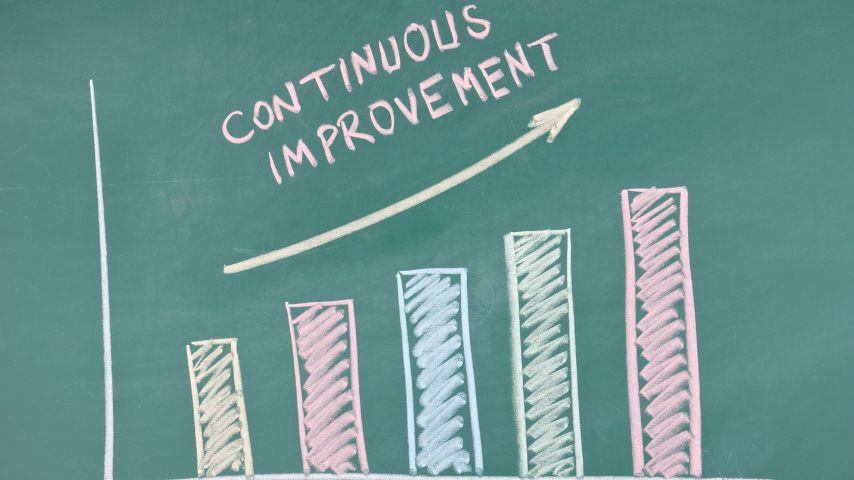
Continuous safety improvement is an ongoing effort to reduce workplace hazards through regular audits, updated risk assessments, and proactive employee training. Instead of treating safety as a one-time checklist, continuous improvement relies on the Plan-Do-Check-Act (PDCA) cycle. Employers plan safety goals, implement control measures, check the effectiveness of those measures, and act to correct any deficiencies.
According to the Department of Occupational Safety and Health (DOSH), businesses must regularly review their safety protocols to adapt to new machinery, processes, or regulations. A safety consulting firm helps businesses maintain this cycle so safety standards evolve alongside operational changes. Continuous safety improvement ensures that risk mitigation becomes an integrated part of daily operations rather than an afterthought.
How did the Occupational Safety and Health (Amendment) Act 2022 change employer duties?
The Occupational Safety and Health (Amendment) Act 2022 expanded safety regulations to cover all workplaces in Malaysia and increased maximum fines for employers to RM500,000. According to [AGC Malaysia, 2022], this amendment officially took effect on June 1, 2024.
The new laws introduce critical changes for business owners and principals. Section 18B explicitly requires employers to conduct and implement risk assessments for all work activities. Furthermore, Section 29A mandates that any workplace with five or more employees must appoint an occupational safety and health coordinator if they do not already require a dedicated safety officer. Finally, Section 26A grants employees the legal right to remove themselves from imminent danger if an employer fails to eliminate a reported hazard. A proactive safety consultant helps business leaders understand and document compliance with these new, stringent legal standards.
Why should Malaysian companies hire a safety consulting firm?
Malaysian companies should hire a safety consulting firm to ensure precise compliance with complex DOSH regulations and to prevent costly workplace accidents. Choose a safety consulting firm if maintaining internal safety expertise drains operational resources, or if the business operates in high-risk sectors like manufacturing or construction.
Safety consultants provide objective, third-party evaluations of workplace hazards that internal teams often overlook due to daily familiarity with the environment. These professionals possess deep knowledge of the DOSH Guidelines on HIRARC 2008 and can effectively train staff to recognize physical, chemical, biological, and ergonomic hazards. By partnering with a safety consulting firm, employers reduce the risk of severe legal penalties and create a structured roadmap for continuous safety improvement.
How does a safety consulting firm conduct a HIRARC assessment?
A safety consulting firm conducts a HIRARC assessment by systematically identifying potential dangers, scoring the likelihood and severity of harm, and applying a hierarchy of controls to eliminate or minimize the risks. The DOSH Guidelines outline three distinct steps for this process.
What happens during hazard identification?
Safety consultants walk through the facility to document physical, chemical, biological, ergonomic, and psychosocial hazards. The safety consulting firm evaluates both routine daily tasks and non-routine activities, such as heavy machine maintenance or facility cleaning.
How is the risk assessment scored?
Consultants use a 5x5 risk matrix to calculate danger levels. The safety consulting firm multiplies the likelihood of an incident occurring (rated 1 to 5) by the severity of the potential injury (rated 1 to 5). A score between 15 and 25 represents an intolerable, high-risk situation that requires immediate intervention before work can continue.
What is the hierarchy of risk control?
Risk control prioritizes hazard elimination above all other measures. If a business cannot eliminate a hazard, the safety consulting firm recommends solutions based on the official hierarchy of controls.
|
Priority |
Control Type |
Description |
|
1 |
Elimination |
Removing the hazard entirely from the workplace. |
|
2 |
Substitution |
Replacing the hazard with a less dangerous alternative. |
|
3 |
Engineering Controls |
Isolating people from the hazard using physical barriers or ventilation. |
|
4 |
Administrative Controls |
Changing how people work via training, signage, and job rotation. |
|
5 |
Personal Protective Equipment (PPE) |
Providing wearable equipment to protect workers as a final line of defense. |
What steps must organizations take to build a safety culture?
Organizations build a safety culture by integrating safety into daily operations, empowering employees to report hazards, and routinely updating emergency response plans. A true safety culture goes beyond basic regulatory compliance.
Employers must provide continuous safety training programs led by certified professionals. Businesses must also establish open communication channels so workers feel comfortable reporting near-misses without fear of retaliation. A safety consulting firm assists organizations by designing tailored safety campaigns, leading safety committee meetings, and performing annual audits. These audits verify that the company's continuous safety improvement goals are actively protecting the workforce.
Conclusion
Protecting employees and complying with Malaysian law requires vigilance, expertise, and a commitment to ongoing education. The recent legislative amendments make it clear that DOSH will strictly enforce safety standards across all industries. Partnering with a safety consulting firm such as Wellkinetics provides the strategic oversight necessary to conduct accurate HIRARC assessments and implement robust safety frameworks. Start by reviewing your current risk assessments and scheduling an external audit to identify compliance gaps before they lead to an incident.
Frequently Asked Questions About Safety Consulting in Malaysia
How much does it cost to hire a safety consulting firm in Malaysia?
Costs vary based on the size of the facility, the complexity of the industry, and the scope of the required audits. Small businesses might pay a few thousand ringgit for a basic HIRARC review, while large manufacturing plants will invest significantly more for comprehensive, ongoing safety management and continuous safety improvement programs.
How long does a complete HIRARC assessment take?
A standard HIRARC assessment takes anywhere from a few days to several weeks. A safety consulting firm requires time to observe all work shifts, review existing documentation, interview employees, and draft the final risk matrix and control recommendations.
What are the risks of managing workplace safety without external consultants?
Managing safety internally without certified experts increases the risk of overlooking subtle hazards, resulting in workplace injuries. Additionally, failure to fully comply with the Occupational Safety and Health (Amendment) Act 2022 can lead to RM500,000 fines, business closures, or imprisonment.
What are the alternatives to hiring a safety consulting firm?
The primary alternative is hiring a full-time, in-house Safety and Health Officer (SHO). Choose an in-house SHO if your company exceeds the DOSH employee threshold requiring one, or if your daily operations demand constant, dedicated safety supervision.
Who is required to comply with the updated OSHA laws in Malaysia?
Following the June 2024 amendments, all places of work throughout Malaysia must comply with OSHA 1994 and its updates. This includes private enterprises, public services, and statutory authorities, regardless of the company's size or industry.

 Arabic
 French
 Spanish
 Portuguese
 Deutsch
 Turkish
 Dutch
Dutch
 Italiano
 Russian
 Romaian
 Portuguese (Brazil)
 Greek
Greek