


Enhance AR and VR Visual Experiences with an Advanced Bird Bath Optical Module
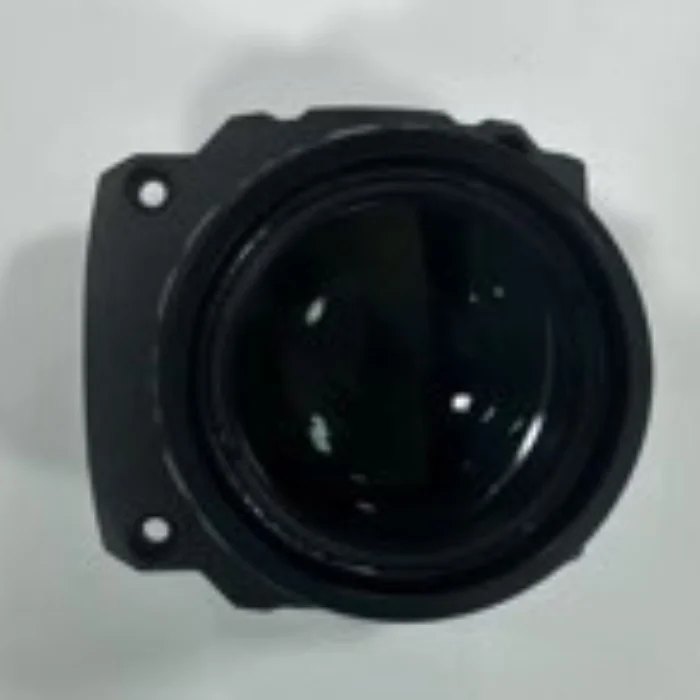
As augmented reality (AR) and virtual reality (VR) technologies continue to evolve, optical components play an increasingly important role in delivering comfortable and immersive visual experiences. Manufacturers are exploring compact optical architectures that balance image quality, system size, and integration requirements. A Bird bath optical module is one optical solution used in near-eye display designs, offering an approach to combining display and viewing optics within a compact configuration.
Understanding Bird Bath Optical Technology
Bird bath optics is a folded optical design commonly associated with AR and VR display systems. Its name comes from the arrangement of optical elements, which can resemble the shape of a traditional bird bath. The design typically uses reflective and partially reflective optical surfaces to redirect light from a display toward the viewer's eye.
By folding the optical path, this architecture can help reduce the overall depth of an optical system. This makes it relevant to manufacturers developing wearable devices where space, weight, and component arrangement are important considerations.
The specific optical configuration depends on the intended application, display source, and performance requirements. Careful engineering is necessary to achieve the desired balance between visual quality and physical design.
Why Optical Modules Matter in AR and VR Devices
AR and VR products rely on carefully coordinated optical components to present digital content clearly. Even a compact headset requires an optical system that directs light appropriately, maintains alignment, and supports the intended viewing experience.
An integrated optical module can simplify the development process by bringing relevant optical elements together in a coordinated assembly. Instead of treating every component as an independent part, manufacturers can evaluate the optical system as a complete unit.
This approach can support more organized product development, improve integration planning, and help engineering teams assess how optical components work together within a device.
Key Design Considerations
Selecting an optical module requires more than comparing its physical dimensions. Manufacturers should consider several technical factors before choosing a configuration.
Optical performance: Image clarity, brightness, contrast, and distortion are important considerations. The optical design should match the visual requirements of the intended device.
Field of view: The viewing area influences how users experience digital content. The required field of view should be considered alongside optical dimensions and system architecture.
Size and weight: Wearable devices benefit from compact designs that support comfortable use. Optical modules should be evaluated in relation to the available space and the overall headset structure.
Alignment and integration: Accurate positioning of optical elements is essential. Mechanical compatibility and assembly requirements should be reviewed during the product development stage.
Application requirements: Different AR and VR products have different priorities. Industrial visualization, consumer headsets, training equipment, and specialized display systems may require different optical configurations.
Applications Across Emerging Industries
Bird bath optical designs can be relevant to several applications involving near-eye displays.
In consumer electronics, AR and VR headsets use optical systems to present digital environments, entertainment, and interactive content. Compact optical arrangements can help designers manage the limited space available in wearable products.
In industrial environments, head-mounted displays can support equipment visualization, maintenance guidance, and technical training. Optical modules must be selected according to the operating conditions and visual requirements of each application.
Healthcare and education also present opportunities for near-eye display technology. From simulation-based learning to specialized visualization tools, optical performance remains an important part of creating useful digital experiences.
As these industries explore new applications, manufacturers need optical components that can be evaluated and integrated according to specific product goals.
The Importance of Choosing an Experienced Optical Supplier
Developing an AR or VR device involves several connected engineering decisions. Display technology, optical architecture, mechanical structure, and manufacturing requirements must work together. Choosing an appropriate optical supplier can help development teams understand component options and identify suitable configurations.
Before selecting a supplier, manufacturers should review product information, technical documentation, customization possibilities, and communication support. It is also useful to discuss the intended application, design limitations, and required optical performance before finalizing a component.
ARVR Optical provides optical solutions for applications involving augmented reality, virtual reality, and related display technologies. Exploring its optical module category can help product developers identify components relevant to their design and research requirements.
Supporting the Future of Near-Eye Displays
The growth of wearable display technology is creating new opportunities for optical engineering. As devices become more compact and applications become more specialized, optical modules will remain essential to system design and product development.
A well-selected Bird bath optical module can be an important consideration for manufacturers exploring folded optical architectures for near-eye display systems. By evaluating optical performance, integration requirements, and application needs together, development teams can make more informed decisions and work toward practical AR and VR product designs.

 Arabic
 French
 Spanish
 Portuguese
 Deutsch
 Turkish
 Dutch
 Italiano
 Russian
 Romaian
 Portuguese (Brazil)
 Greek