


Tallow Balm for Outdoor Skin Care: Protecting Dry Skin in Wind and Cold
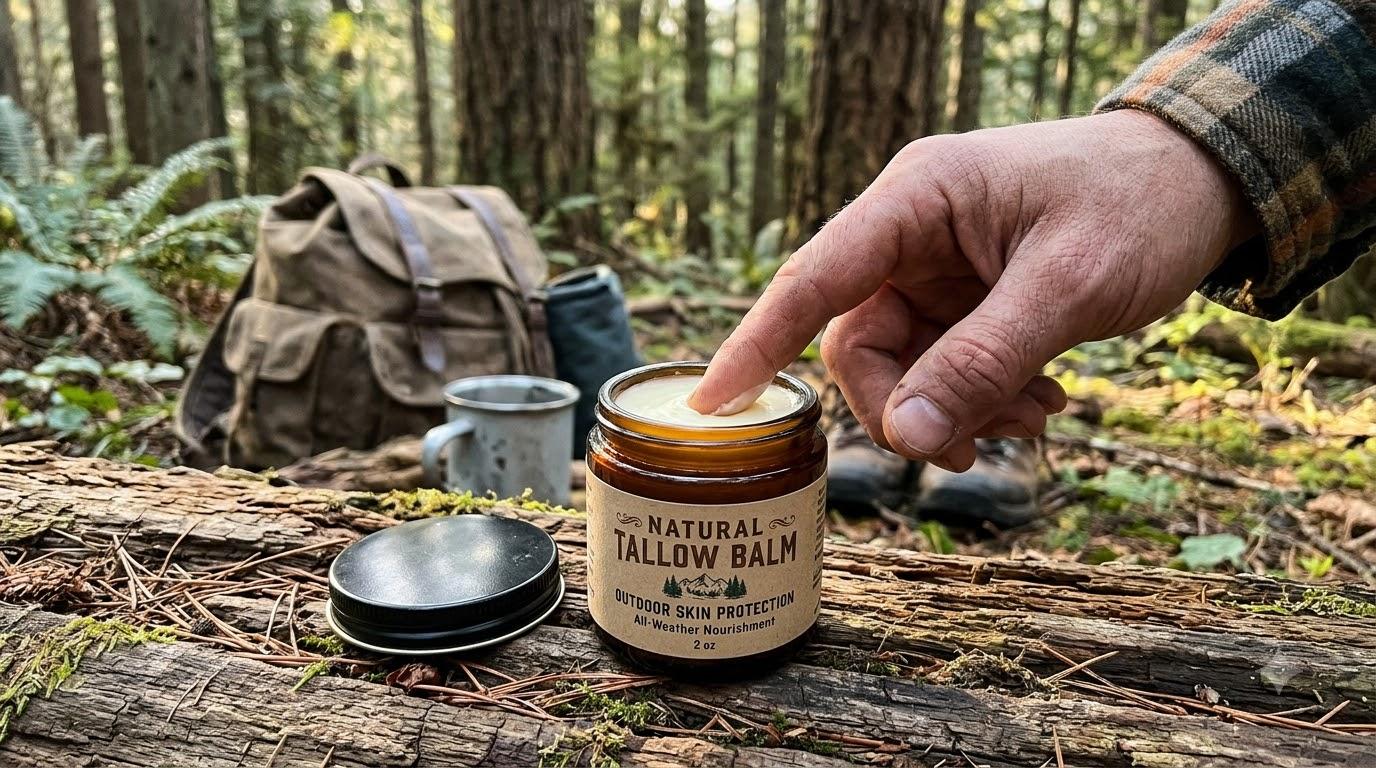
Outdoor Skin Care in Cold and Windy Weather: How to Prevent Dryness and Discomfort
Spending time outdoors can be refreshing, but changing weather conditions can also affect your skin. Cold air, strong winds, low humidity, and repeated transitions between outdoor temperatures and heated indoor environments may leave exposed areas feeling tight, rough, or uncomfortable.
People who enjoy hiking, gardening, cycling, or working outdoors often need a skincare routine that fits their activities. Some consider using tallow balm for dry skin exposed to cold and windy conditions because rich formulations can provide an emollient layer that helps reduce moisture loss.
However, a balm is not a complete weather-protection system. Appropriate clothing, gentle cleansing, sun protection, and consistent moisturizing remain important.
Understanding how environmental conditions affect the skin can help you choose products and habits that maintain comfort without unnecessary complexity.
How Cold Weather Affects the Skin Barrier
The outermost layer of skin acts as a protective barrier.
It helps limit excessive water loss while protecting the body from environmental irritants.
When humidity is low, moisture can evaporate more readily from the skin.
Cold outdoor conditions may also coincide with increased use of indoor heating, which can further reduce humidity.
Frequent exposure to these conditions can contribute to dryness, tightness, and flaking.
Wind may increase discomfort by exposing the skin to moving air and environmental stress.
People who already experience dry or sensitive skin may notice these changes more quickly.
The problem is not always a lack of moisturizing products.
Sometimes the routine itself contributes to dryness.
Long, hot showers, harsh cleansers, and aggressive exfoliation can worsen an already uncomfortable skin barrier.
Why Outdoor Activities Create Different Skincare Needs
Not everyone experiences the same environmental exposure.
A cyclist may face prolonged wind exposure.
A gardener may repeatedly wash soil from their hands.
A hiker may experience cold temperatures, sunlight, and friction from clothing.
A delivery worker may move repeatedly between heated buildings and outdoor conditions.
Each situation creates a different combination of challenges.
The most effective routine begins by identifying those challenges rather than automatically applying the same product everywhere.
Outdoor workers
People who work outdoors may need convenient moisturizers that fit into their breaks.
Handwashing, protective gloves, and exposure to different materials can influence product selection.
Hikers and campers
Travelers spending long periods outside may prefer compact skincare products.
However, products should be stored according to their directions and protected from extreme temperatures when necessary.
Cyclists and runners
Wind exposure and friction can contribute to discomfort.
Suitable clothing and appropriately selected skincare products may help reduce avoidable irritation.
Gardeners
Frequent contact with soil, water, and cleaning products can leave hands dry.
Gloves and consistent moisturizing can be more useful than applying a large amount of balm only after severe dryness develops.
What Makes a Rich Balm Different From Lotion?
Moisturizers contain different types of ingredients.
Humectants help attract or retain water.
Emollients soften the skin's surface.
Occlusive ingredients help reduce water loss.
Many lotions contain substantial amounts of water and may feel relatively lightweight.
Balms are often richer and may contain larger proportions of oils, fats, and waxes.
Tallow is rendered animal fat that can serve as an emollient ingredient in cosmetic formulations.
The finished product may also contain plant oils, botanical extracts, waxes, or fragrances.
These additions affect texture and skin tolerance.
A rich balm can be useful for selected dry areas, but it is not automatically better than a well-formulated conventional moisturizer.
The best choice depends on the skin's needs and the complete formulation.
Comparing Outdoor Skincare Options
|
Product or measure |
Main purpose |
Best practical application |
Important limitation |
|
Lightweight lotion |
Everyday moisturizing |
Normal to mildly dry skin |
May feel insufficient for some dry areas |
|
Rich balm |
Emollient and protective moisturizing |
Rough hands, elbows, or selected exposed areas |
Can feel greasy |
|
Protective gloves |
Reduce direct exposure |
Gardening and suitable outdoor work |
Must be appropriate for the task |
|
Weather-appropriate clothing |
Limit environmental exposure |
Cold and windy conditions |
Does not replace moisturizing |
|
Broad-spectrum sunscreen |
Protect against ultraviolet radiation |
Exposed skin during daytime |
Must be applied and reapplied as directed |
|
Gentle cleanser |
Remove dirt without excessive irritation |
After outdoor activities |
Harsh cleansing may worsen dryness |
The table illustrates why no single moisturizer can replace every protective measure.
How to Build a Cold-Weather Skincare Routine
Step 1: Check your skin before going outside
Look for roughness, redness, cracks, or other changes.
If the skin is already irritated, avoid introducing multiple unfamiliar products immediately before an activity.
Step 2: Cleanse only when necessary
Use a gentle cleanser and lukewarm water.
Excessive washing can contribute to dryness, particularly when harsh products are used.
Step 3: Moisturize appropriately
Apply a suitable moisturizer according to your skin's needs.
If using a dense balm, begin with a small amount.
Step 4: Protect exposed areas
Wear suitable clothing, gloves, or other protective equipment when appropriate.
Avoid relying on moisturizer alone to protect against cold-related injury.
Step 5: Use sunscreen
Cold weather does not eliminate ultraviolet exposure.
Apply broad-spectrum sunscreen to exposed skin according to product directions.
A regular moisturizing balm is not a substitute for sunscreen.
Step 6: Reassess after outdoor activity
Check whether your skin feels dry, irritated, or uncomfortable.
Wash away dirt and other substances gently when necessary.
Step 7: Restore moisture after washing
Apply moisturizer while skin is slightly damp.
This can help retain water after cleansing.
Example 1: A Gardener With Rough Hands
A home gardener spends several hours planting flowers and handling soil.
Afterward, their hands feel dry.
They initially respond by scrubbing aggressively to remove dirt.
However, this makes the skin feel tighter.
They begin wearing appropriate gardening gloves and using a gentler cleanser.
After washing, they apply moisturizer to slightly damp hands.
A richer balm may be useful during their evening routine if the formula is tolerated.
The improvement comes from combining exposure reduction with consistent moisturizing.
Example 2: A Cyclist Facing Cold Wind
A recreational cyclist rides during cold, windy mornings.
Their cheeks and hands frequently feel uncomfortable afterward.
They begin reviewing their clothing and skin-protection routine.
They use suitable gloves and weather-appropriate face protection when conditions require it.
They also apply sunscreen to exposed skin.
A moisturizing balm may be considered for dry areas, but they do not treat it as protection against frostbite or other cold-related injuries.
This example highlights the importance of distinguishing ordinary dryness from environmental hazards.
Hypothetical Case Study: An Outdoor Worker Changes Their Routine
This is an illustrative scenario, not a documented customer experience.
Background: Marcus works outdoors and experiences recurring dry hands during winter.
Initial problem: He uses a harsh cleanser after each shift and applies moisturizer only when his knuckles become visibly cracked.
Contributing factors: Frequent washing, low humidity, and inconsistent moisturizing.
Revised routine: Marcus switches to a gentler cleanser, uses appropriate protective gloves, and applies moisturizer after washing.
He reserves a richer product for selected dry areas in the evening.
Expected outcome: These changes may improve ordinary skin dryness and comfort.
The scenario does not demonstrate that any specific animal-derived ingredient is medically superior.
Key lesson: Reducing irritating exposures and moisturizing consistently can be more useful than simply increasing the quantity of one product.
How to Choose a Balm for Outdoor Activities
Consider the intended application.
A product for dry hands may need a different texture from one used on the face.
Review the complete ingredient list, including fragrances and essential oils.
Some people experience irritation from scented ingredients.
When comparing tallow balm formulations, check whether the manufacturer provides clear directions and storage information.
Consumers can explore the skincare offerings at Soul Seed Solutions and examine individual product descriptions.
A collection page can help identify available options, but the exact formula should guide the purchasing decision.
Texture and convenience
A dense balm may be useful after an outdoor activity but inconvenient immediately before handling tools or equipment.
A lighter product may be preferable during the day.
Packaging
Choose packaging that can be handled hygienically.
Avoid introducing dirt or moisture into the container.
Skin compatibility
Test a new product cautiously, especially if your skin is reactive.
Stop using it if persistent irritation develops.
Why More Product Is Not Always Better
Applying a thick layer does not guarantee better results.
Excessive product may leave the skin slippery and interfere with activities.
For example, greasy hands may make it difficult to grip equipment safely.
A thin layer applied at an appropriate time may be more practical.
If dryness persists despite regular moisturizing, reconsider the entire routine.
The problem may involve frequent exposure to irritating substances, an unsuitable cleanser, or an underlying skin condition.
Simply applying more balm may not address these factors.
Cold-Weather Skincare Mistakes
One common mistake is assuming that winter sunlight cannot damage skin.
Ultraviolet exposure remains relevant during colder months.
Another mistake is washing with very hot water immediately after coming indoors.
Although it may feel comforting, excessive heat can worsen dryness.
Some people also exfoliate aggressively when skin becomes flaky.
This can aggravate irritation.
Another error is applying heavily fragranced products to already sensitive skin.
Finally, using tallow balm as a substitute for appropriate cold-weather clothing or protective equipment is not advisable.
Moisturizers can support skin comfort, but they cannot prevent every form of environmental injury.
When Should You Seek Medical Advice?
Ordinary dryness may improve with consistent skincare.
However, persistent redness, painful cracks, significant itching, or recurrent rashes may indicate dermatitis or another condition.
Severe cold exposure can also cause injuries that require medical assessment.
Numbness, unusually pale or discolored skin, or severe pain after cold exposure should not be treated simply as dryness.
People with chronic skin conditions may need individualized product recommendations.
A dermatologist can help determine whether a moisturizer is appropriate and whether additional treatment is necessary.
A Practical Weekly Maintenance Plan
During colder months, review your skin's condition regularly.
Pay attention to areas exposed to repeated washing, friction, and wind.
Use gentle cleansing habits.
Moisturize after washing when appropriate.
Check whether gloves, clothing, or other protective measures are contributing to irritation.
Avoid changing several products at once.
If a new moisturizer causes a reaction, discontinue it and reassess.
The goal is to maintain a manageable routine rather than accumulating numerous products.
Conclusion
Cold and windy conditions can increase skin discomfort, particularly when combined with frequent washing, low humidity, and outdoor activity.
A suitable moisturizer can help soften dry areas and reduce moisture loss, but it should be part of a broader protective routine.
Choose gentle cleansers, wear appropriate clothing, use sunscreen, and moisturize consistently.
If you decide to use tallow balm, select a formulation that suits your skin and apply it according to the manufacturer's directions.
Good outdoor skincare is about maintaining comfort and protection through practical habits, not relying on one ingredient to solve every problem.
Frequently Asked Questions
Can tallow balm protect skin from cold weather?
A suitable balm may help reduce moisture loss, but it cannot replace protective clothing or prevent cold-related injuries.
Should I apply a rich balm before going outdoors?
It depends on the product and your skin. A thin layer may be appropriate, but avoid excessive greasiness that interferes with activities.
Is tallow balm suitable for winter facial care?
Some formulations may suit certain skin types, while others may feel too heavy. Check the ingredients and test cautiously.
Can a balm replace sunscreen during winter?
No. Ordinary moisturizing balms do not provide reliable ultraviolet protection unless specifically formulated and labeled as sunscreens.
Why do my hands become dry after gardening?
Frequent washing, friction, environmental exposure, and contact with irritating substances may contribute.
What if my skin remains cracked despite moisturizing?
Persistent or painful cracks may require professional evaluation, particularly if there is inflammation or evidence of infection.

 English
 Arabic
 French
 Spanish
 Portuguese
 Turkish
 Dutch
 Italiano
 Russian
 Romaian
 Portuguese (Brazil)
 Greek